

GCC REACH Cohort 5
David Corry, MD, Baylor College of Medicine
Project Summary: Small molecules that inhibit STAT5/6 to block core pathways driving allergic diseases and cancers
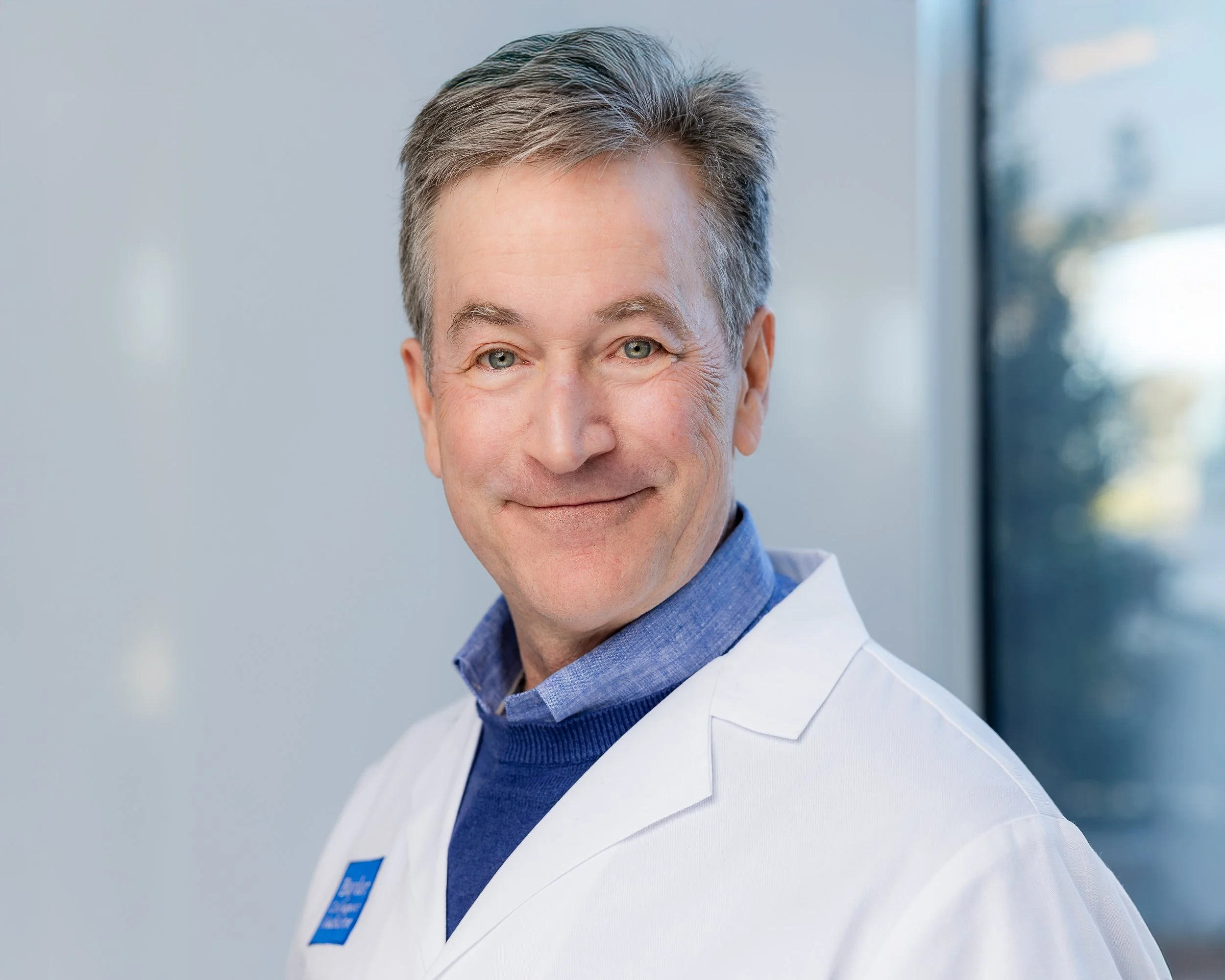
We are currently completing in vitro, in vivo, and pharmacokinetic studies for 5 closely related candidate molecules targting the STAT5 and STAT6 signaling pathways, findings from which will be used to select a lead compound to move forward with regarding more detailed PK, PD, and preclinical studies in preparation for human phase I studies. Our initial clinical indication will be atopic dermatitis (eczema), but we ultimately seek applicability to asthma, chronic sinusitis, and related airway allergic disorders.
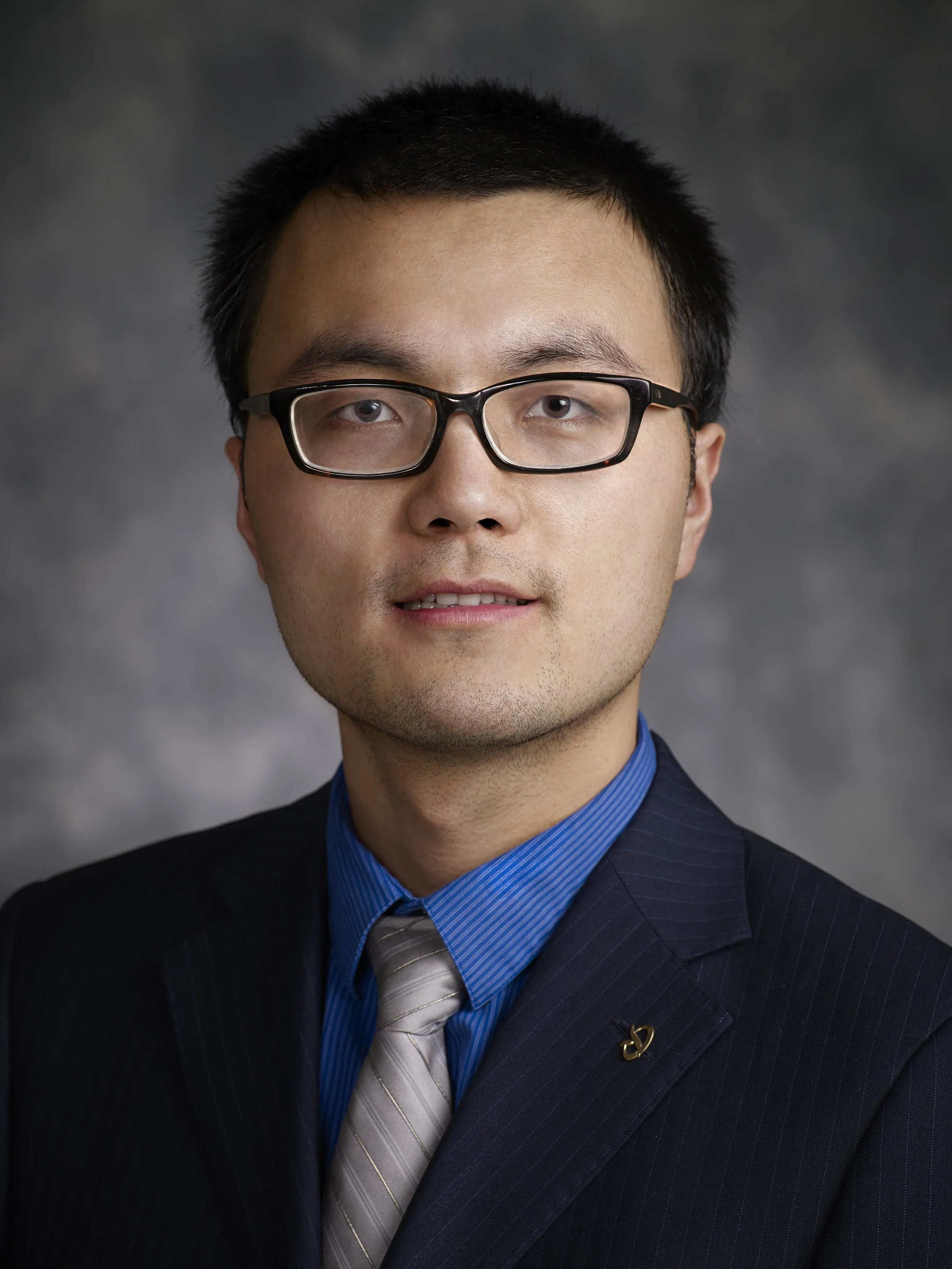
Zhenpeng Qin, University of Texas, Dallas
Project Summary: Point-of-care diagnostic device that rapidly detects TBI by measuring biomarkers from a small blood sample
Zhenpeng “ZP” Qin is Professor, Fellow, and Eugene McDermott Distinguished Professor of Mechanical Engineering and Bioengineering at the University of Texas at Dallas, O’Donnell Brain Institute, Simmons Comprehensive Cancer Center and Biomedical Engineering at UT Southwestern Medical Center, and a founding member of the Center for Advanced Pain Studies. His lab aims to pioneer the Moore’s law of nanomedicine by exponentially advancing targeted drug delivery vehicles and biomarkers for the nervous system—integrating high-throughput nanoparticle synthesis, multiplexed single-molecule analytics, and AI-driven automation—to accelerate and translate breakthroughs in neurotherapeutics and diagnostics for millions affected by neurological disorders. His lab received ~$43M support from major agencies including NIH, NSF, DOD, and AHA. Dr. Qin has published extensively and mentored many trainees, with former and current members totaling 48 pre- and postdoctoral trainees and over 50 undergraduates, many of whom have gone on to active academic and industry careers. He has received prestigious awards including the 2024 Dr. Horace Furumoto Innovations Professional Development Young Investigator Award (ASLMS), 2022 ASME Y.C. Fung Early Career Award, NIH/NIGMS MIRA/R35 award, and Collaborative Sciences Award from AHA, and co-created technologies and startups as a co-founder or consultant. Dr. Qin also serves in leadership roles for the ASME Bioengineering Executive Committee. Qin is a fellow of ASME and National Academy of Inventors Senior Member.
Uttam Tambar, University of Texas Southwestern Medical Center at Dallas
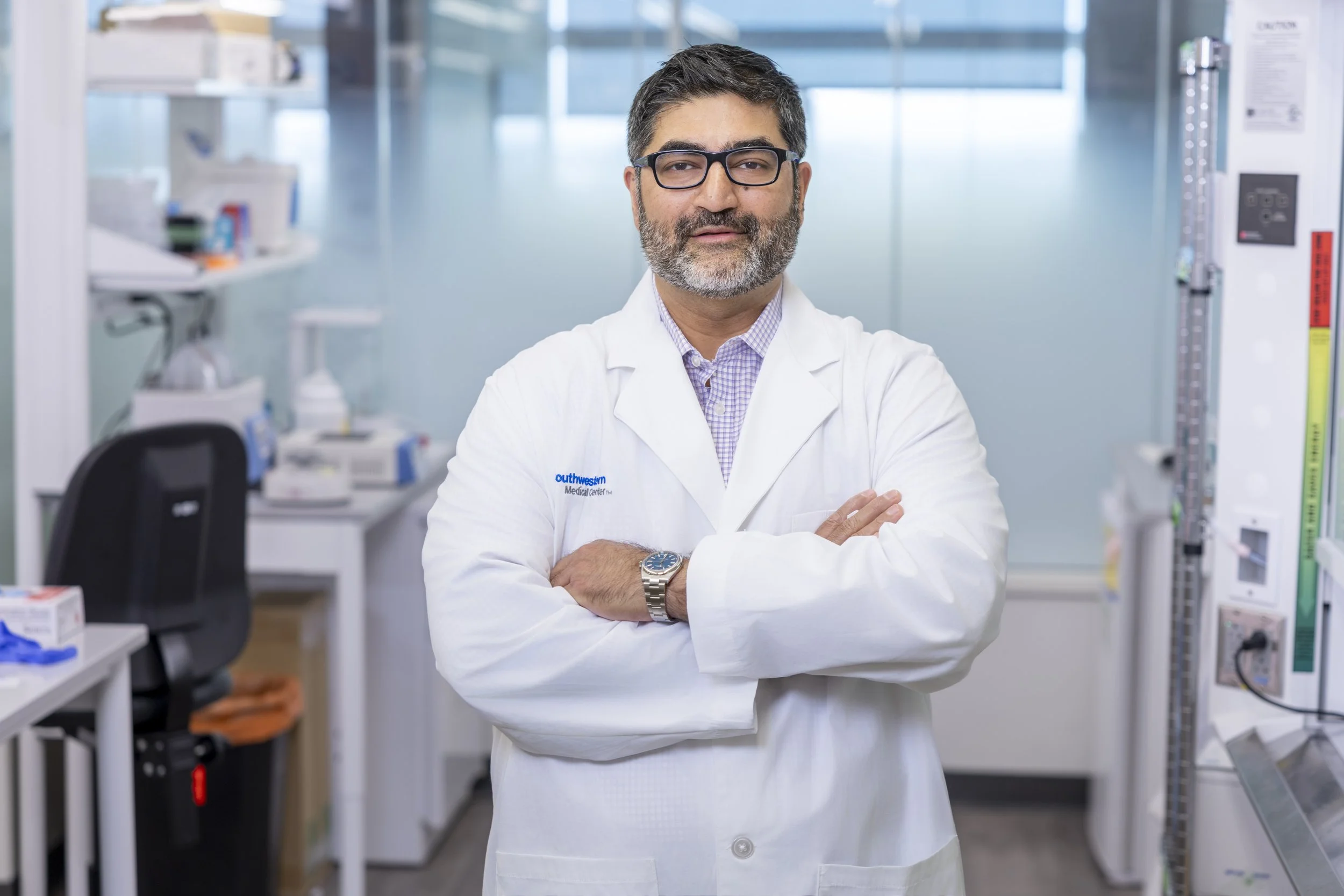
Project Summary: Small molecule targeted protein degrader (PROTAC) targeting breast cancer
Sina Khorsandi & Manwal Harb, UT Southwestern
Project Summary: An ultrasound-triggered microbubble platform that safely and precisely opens the blood-brain barrier to deliver targeted therapies or treating neurological diseases like Huntington’s Disease
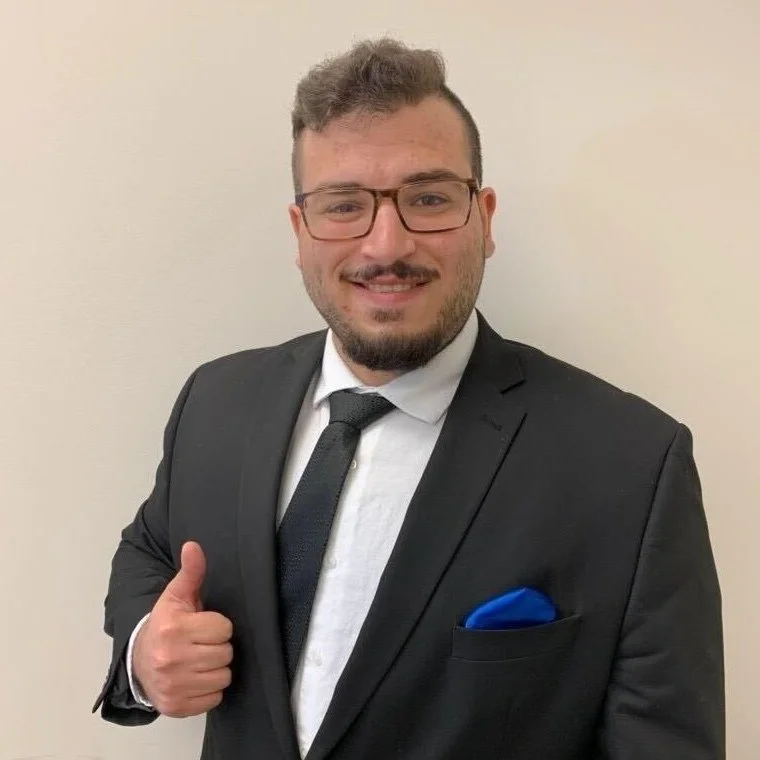
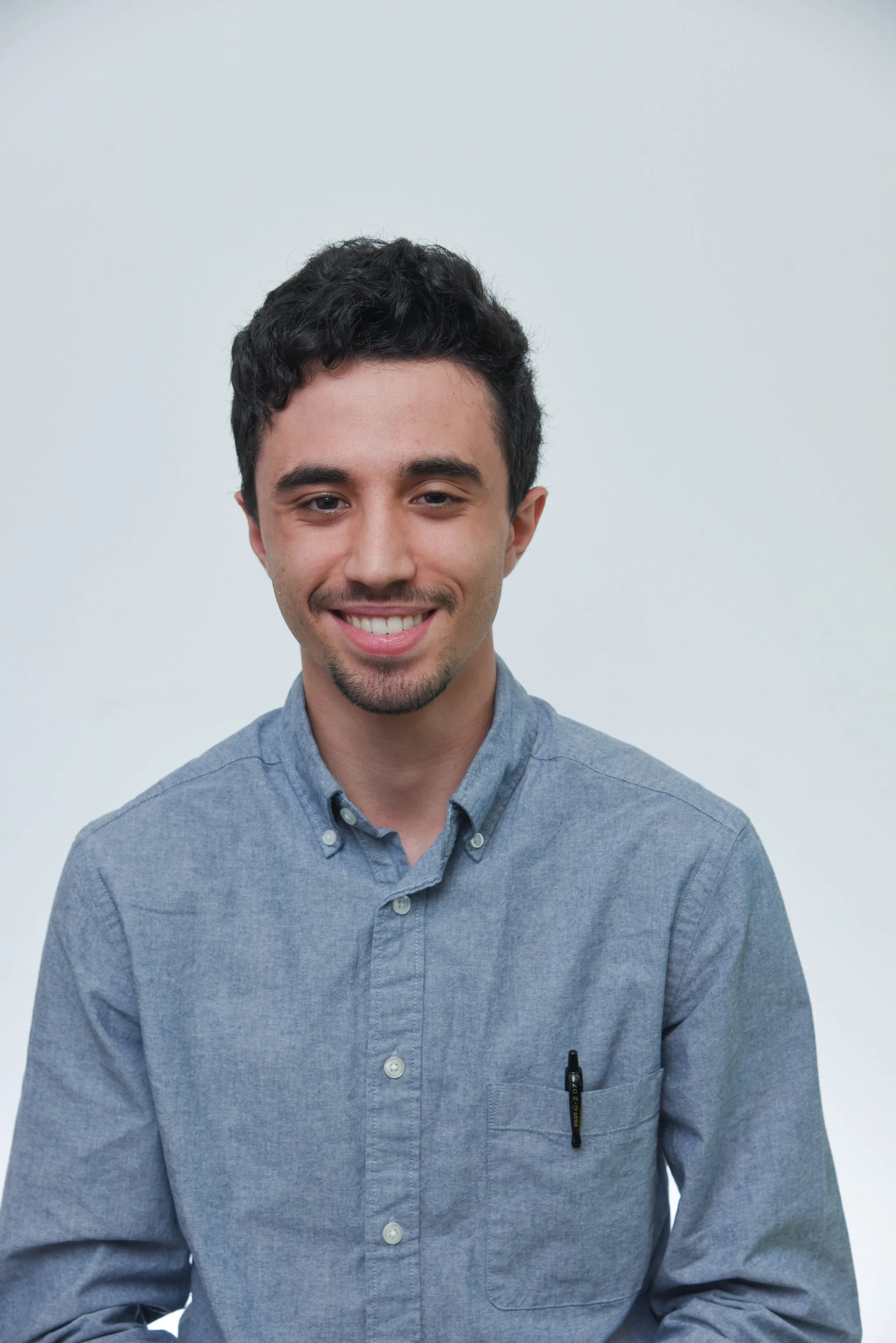
Manwal and Sina are developing MsQ, a first-in-class drug delivery microbubble designed to overcome the body’s biological barriers. Unlike competing microbubbles used mainly as imaging agents, MsQ microbubbles are engineered with drug-binding linkers and targeting ligands that enable both cell-specific binding and ultrasound-controlled release. Once bound to a target receptor, ultrasound pulses cause MsQ to cavitate, transiently opening biological barriers such as the blood-brain barrier while simultaneously releasing the payload at the intended site. This "two-factor authentication" approach - requiring both antibody targeting and ultrasound activation - ensures that drugs are delivered only to specific cells and only when triggered by ultrasound, providing enhanced spatial and temporal precision.